
Agriculture Ministry, FAO launch climate-smart training for farmers in 4 governorates
AMMAN — The Ministry of Agriculture and the UN Food and Agriculture Organisation (FAO) have signed a cooperation agreement aimed at enhancing farmers’ capacity to adapt to climate change through specialised training programmes based on the climate-smart farmer field schools methodology, while promoting water-saving agricultural technologies.
Minister of Agriculture Saeb Khreisat and FAO Acting Representative in Jordan Paul Opio signed the agreement as part of the “Building Resilience to Cope with Climate Change in Jordan through Improving Water Use Efficiency in the Agriculture Sector (BRCCJ)” project, the Jordan News Agency, Petra, reported on Wednesday.
The project is funded by the Green Climate Fund (GCF) and implemented by FAO in partnership with the ministries of agriculture, water and irrigation, and environment, as well as the UN Development Programme (UNDP).
The agreement marks an “advanced” stage of cooperation, moving from training agricultural extension officers to direct field implementation with farmers, enhancing their ability to adapt to climate change and improve water-use efficiency.
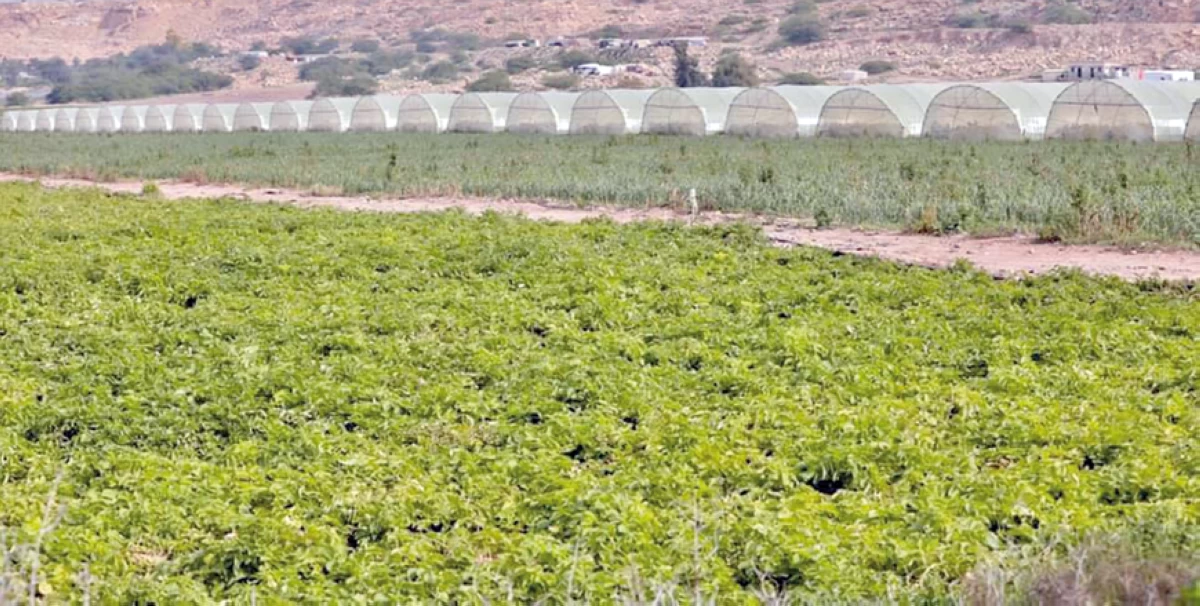
Under the agreement, 44 farmer field schools and 44 field days will be held in Madaba, Karak, Tafileh and Maan, while the equipment and facilities needed to establish 60 additional field schools in the future will also be identified.
The activities are expected to benefit around 880 farmers by providing them with practical knowledge and skills in climate-smart agriculture.
The activities build on a training-of-trainers programme implemented last year for agricultural extension officers at the Ministry of Agriculture, equipping them to apply the climate-smart farmer field schools methodology and transfer knowledge to farmers.
The programme also contributed to building qualified national capacities to lead and oversee the field schools, supporting the programme’s sustainability and broader implementation.
The BRCCJ project is the first GCF-funded project in Jordan and will run for seven years, targeting more than 212,000 beneficiaries, including over 83,000 direct beneficiaries.
The project aims to enhance water and food security and build a more climate-resilient agricultural sector, in line with national priorities, the Economic Modernisation Vision and the Sustainable Development Goals.
The project has a total value of $33.25 million and targets Karak, Madaba, Tafileh and Maan governorates in the Dead Sea Basin, which are among the areas most affected by climate change and water scarcity in the Kingdom.